

Balcony Waterproofing: Why Liquid Systems Win
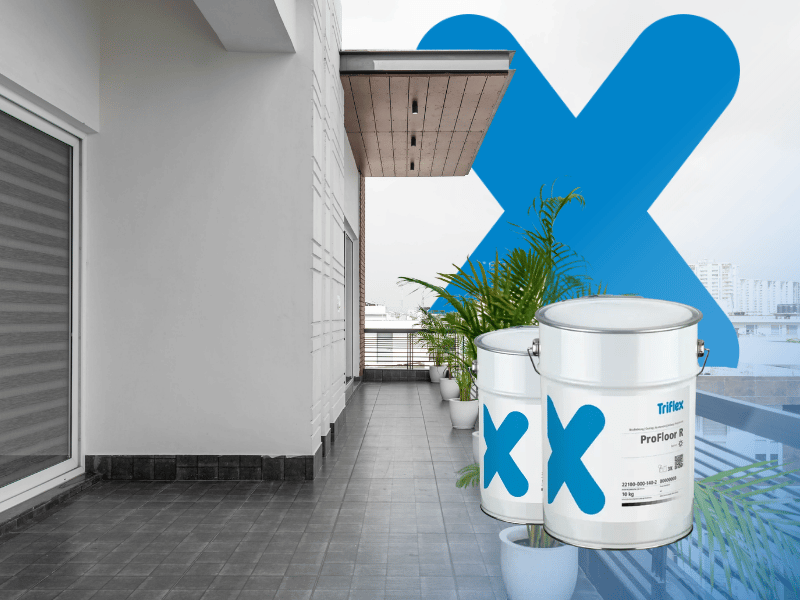
Balcony leaks are one of the most common - and costly - building issues in tropical climates like Singapore and Southeast Asia.
And yet, most balconies are still finished with tiles.
The problem?
Tiles are not waterproofing systems.
They are just a surface.
This guide explains:
Why balcony waterproofing fails (especially in tropical climates)
Why liquid-applied systems outperform traditional tile systems
How Triflex systems like BTS-P, BWS, and BIS solve these issues
What the correct waterproofing process looks like
Quick Answer
Liquid-applied waterproofing systems outperform tiles because they create a seamless, fully bonded, crack-bridging membrane that prevents water ingress - even in extreme tropical conditions - while tiles rely on joints that inevitably fail.
Why Balcony Waterproofing Fails in Tropical Climates
1. Constant Expansion and Movement
Tropical environments expose balconies to:
Intense UV radiation
Daily temperature swings
Heavy rainfall and ponding water
This causes continuous expansion and contraction.
Traditional tile systems cannot absorb this movement →
➡ Cracks form
➡ Water penetrates
➡ Damage spreads underneath
2. Tile Joints Are the Weakest Point
Tiles rely on:
Grout joints
Sealants
Adhesives
These are not waterproof.
Over time:
Grout cracks
Silicone fails
Water seeps through joints
Once water enters → it becomes trapped beneath tiles.
3. Hidden Damage Gets Worse Over Time
By the time leaks are visible:
Reinforcement may already be corroding
Concrete may be deteriorating
Interiors may be damaged
This leads to expensive repairs and full system replacement.
Why Liquid-Applied Waterproofing Works Better
Seamless Protection (No Joints)
Liquid systems create a fully seamless membrane across the entire surface.
Unlike tiles:
No joints
No weak points
No water pathways
Fully Bonded to the Substrate
Systems like Triflex BTS-P adhere directly to the substrate:
Prevent water migration underneath
Stop lateral water movement
Ensure long-term protection
Example: See how this was applied in a real project
→ Triflex BTS-P for residential balcony (Singapore) Marshall Residence balcony project

The system’s ability to adhere seamlessly to the existing tiling made the installation process efficient, without the need for structural alterations. The rapid-curing nature of the system ensured that the project could be completed in a short time frame, minimizing any inconvenience to the tenants.
Crack-Bridging Capability
Balconies move. Good waterproofing must move too.
PMMA systems:
Bridge dynamic cracks
Remain flexible over time
Prevent failure from structural movement
Fast Curing = Minimal Disruption
Liquid-applied PMMA systems cure rapidly:
Walkable within hours
Projects completed in days, not weeks
Ideal for occupied buildings
Waterproof Every Detail
Critical failure points:
Door thresholds
Railings
Drain outlets
Corners and upturns
Liquid systems are applied wet-on-wet, ensuring:
Complete detail sealing
No gaps or overlaps
Triflex Balcony Systems Explained
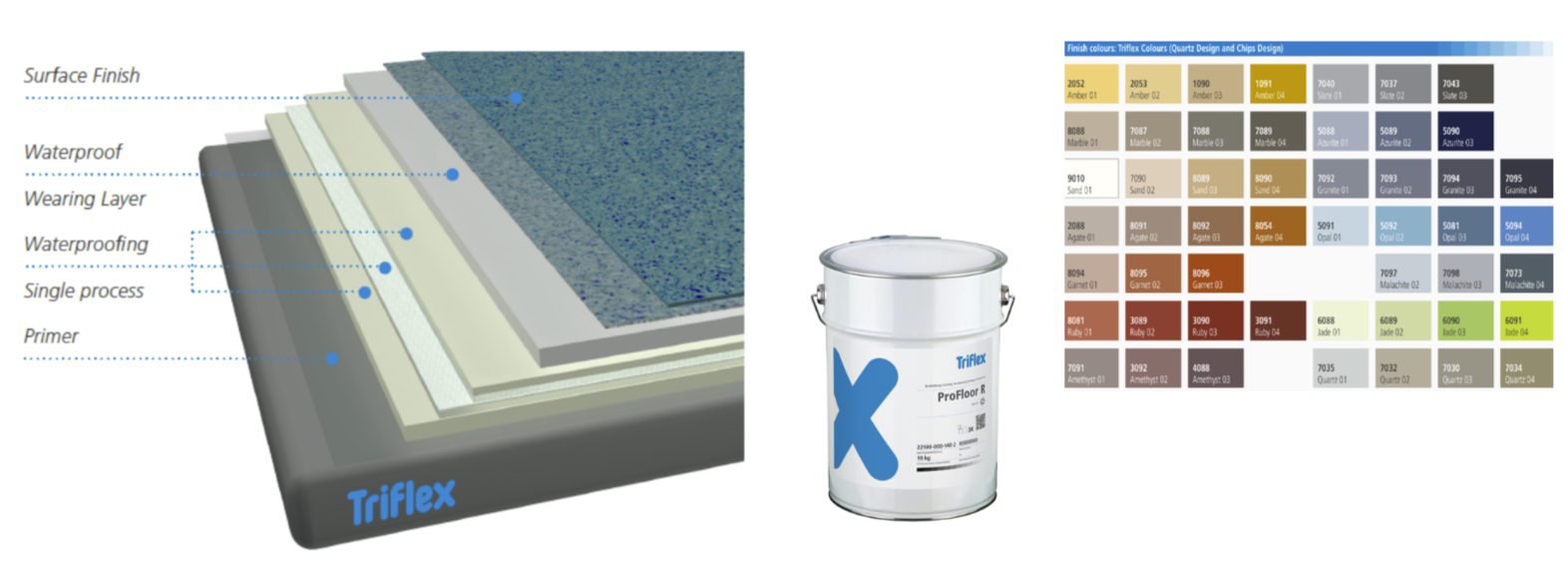
1. Triflex BTS-P (Core Waterproofing System)
Best for:
Exposed balconies
Roof terraces
Areas above occupied spaces
Key benefits:
Full-surface fleece-reinforced waterproofing
High mechanical resistance
Seamless and durable
Rapid curing
Long-term structural protection
See more Triflex BTS-P Balcony Waterproofing System
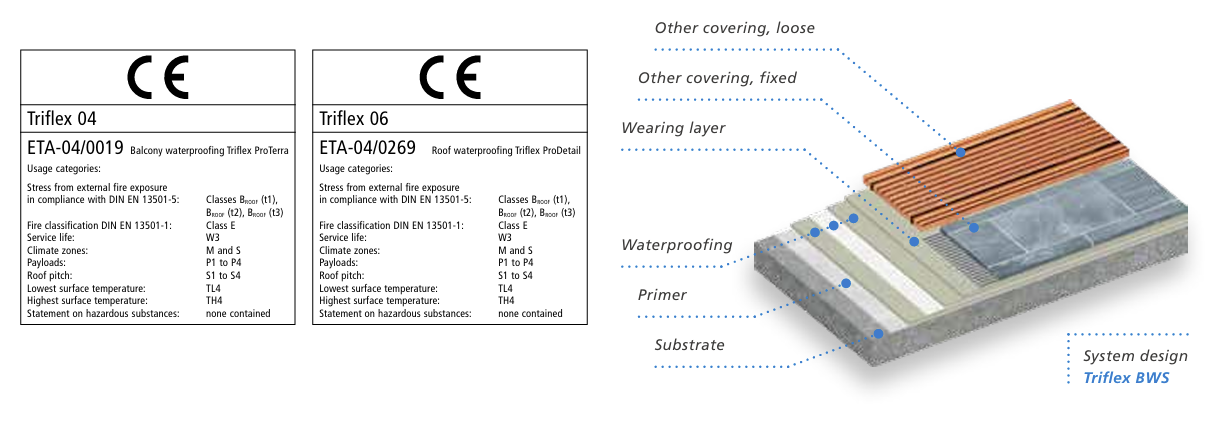
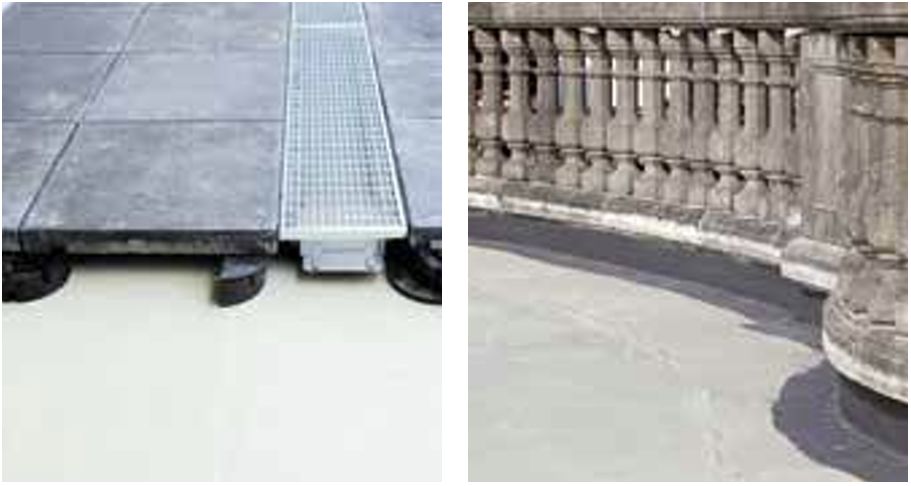
2. Triflex BWS (Waterproofing Under Other Coverings)
Best for:
Projects where tiles must remain
New builds with tile finishes
Key benefits:
Seamless waterproofing under tiles
Resistant to alkalis and tile adhesives
Crack-bridging and flexible
Waterproof even complex details
Important insight: Even if tiles are used, the waterproofing layer must be liquid-applied - not the tiles themselves.
See more Triflex BWS waterproofing system under other coverings
3. Triflex BIS (Insulated Balcony System)
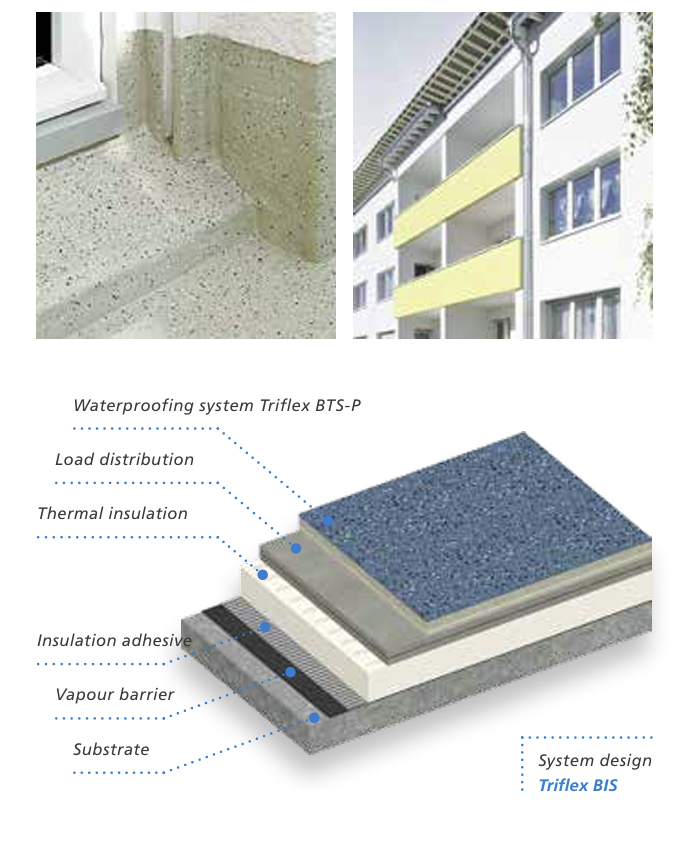
Best for:
Residential balconies
Energy-efficient buildings
Refurbishment projects
Key benefits:
Eliminates thermal bridges
Prevents condensation and mould
Improves indoor comfort
Reduces energy costs
See more Triflex BIS Balcony Insulation System
How a Proper Balcony Waterproofing System Is Installed
Step-by-Step Process
1. Substrate Inspection
Check for cracks and defects
Test moisture levels
Assess adhesion
2. Surface Preparation
Cleaning and grinding
Repair weak areas
Prime the substrate
3. Detail Waterproofing
Apply liquid resin to joints and edges
Embed fleece reinforcement
4. Full Surface Waterproofing
Apply liquid membrane
Reinforce with fleece
Apply second layer
5. Finishing Layer
Anti-slip coating
Decorative finish (optional)
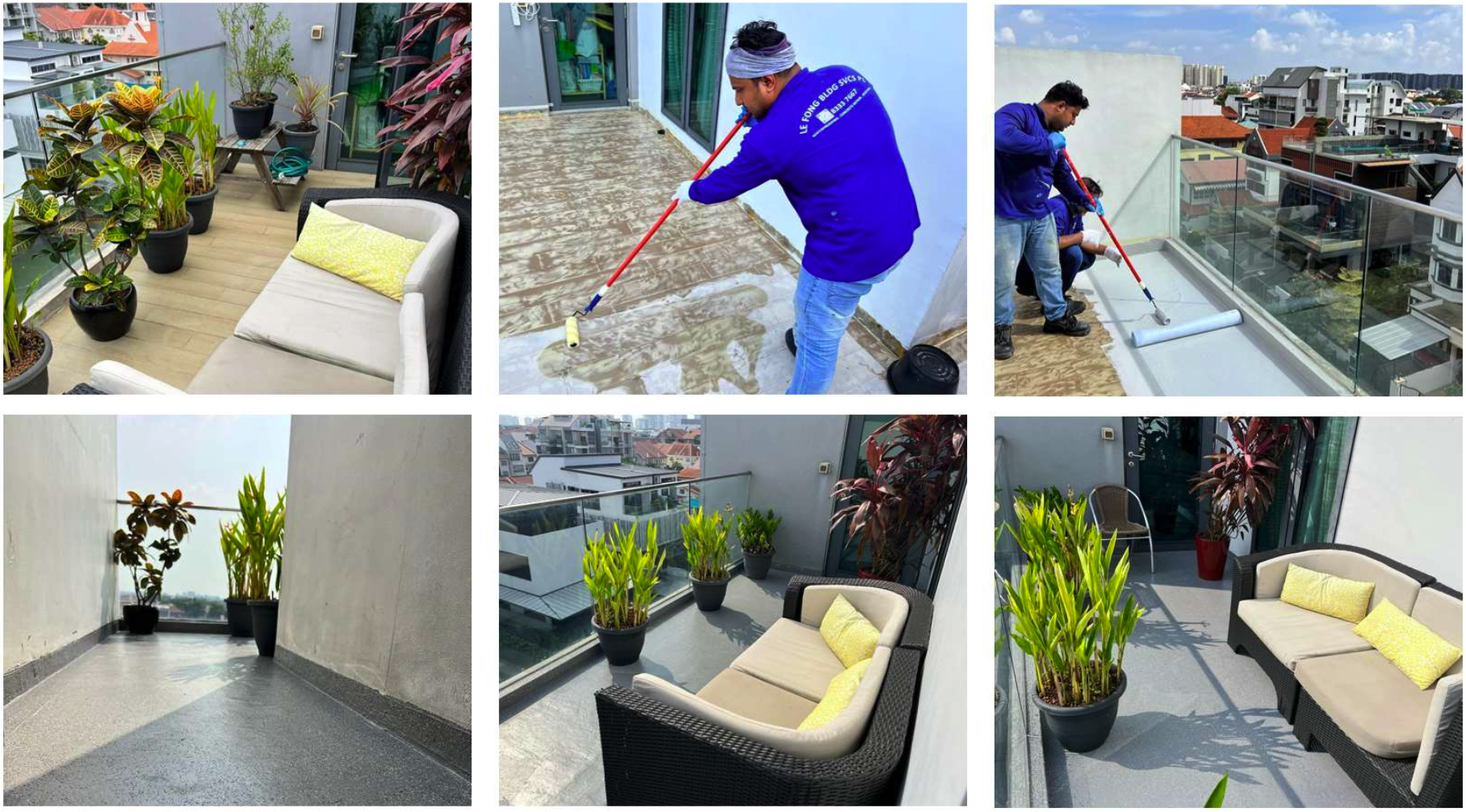
Real Problem vs Real Solution
Before (Typical Tile System)
Repeated silicone repairs
Water leakage at joints
Hidden structural damage
After (Liquid Waterproofing)
Seamless membrane
Fully sealed details
Long-term protection
See Triflex solutions for balcony, terraces & walkways
Why This Matters for Tropical Buildings
In Southeast Asia:
Rain is frequent and intense
Humidity accelerates material degradation
UV exposure weakens sealants
Only systems that are:
Seamless
Flexible
Fully bonded
Chemically resistant
…can perform long term.
PMMA systems meet all these criteria.
Common Questions
Can I waterproof over existing tiles?
Yes. Systems like BTS-P can be applied directly over tiles, avoiding demolition.
Are tiles waterproof?
No. Tiles are decorative finishes. Waterproofing must be beneath or integrated into the system.
How long does balcony waterproofing last?
PMMA systems are designed for long-term durability (20+ years with proper installation).
Is liquid waterproofing safe for occupied buildings?
Yes. Cold-applied systems eliminate risks associated with hot works.
Final Takeaway
Tiles may look finished - but they don’t protect your building.
Liquid-applied waterproofing systems like:
Triflex BTS-P
Triflex BWS
Triflex BIS
…deliver what balconies actually need:
✔ Seamless waterproofing
✔ Crack-bridging flexibility
✔ Long-term durability
✔ Minimal disruption during installation
If you’re dealing with:
Balcony leaks
Failed tile systems
Repeated repairs
It’s time to fix the problem at its source.
Contact Triflex Asia Pacific for a system recommendation tailored to your project.